We all live in, work in, or walk around buildings and experience architecture on a daily basis. The design decisions taken by architects in the near or distant past affect us more directly than any other comparable art or craft. We do not have to listen to opera or look at paintings, but we do to confront architecture. In addition, architecture is unique among the arts for it attempts to combine beauty with utility; it is, as perceived by Roman and Renaissance architects, the attempt to combine “commodity, firmness, and delight” (as suggested by Virtruvius).
Architecture shares with sculpture the fact that it is appreciated in three dimensions; it is an art that can be walked up to, around, and through and the materials of construction- be they stone, brick, concrete or steel- can give a powerful tactile pleasure and respond in magical ways to changing conditions of light and weather.
We can discuss the elements of Architecture now:
Shapes: Geometric shapes are very pleasing to the eye, and they help you create bold and striking compositions. Circles, ovals, squares, rectangles, triangles and diamond shapes are all commonly found in architectural structures, and they can be used to create really strong focal points in design. Look out for windows, door frames, arches and other shapes that would create an interesting design element in architecture. You will often find amazing shapes on ceilings, especially in large buildings. Some shapes suit symmetrical compositions, while others might look better with a diagonal or off-center placement.
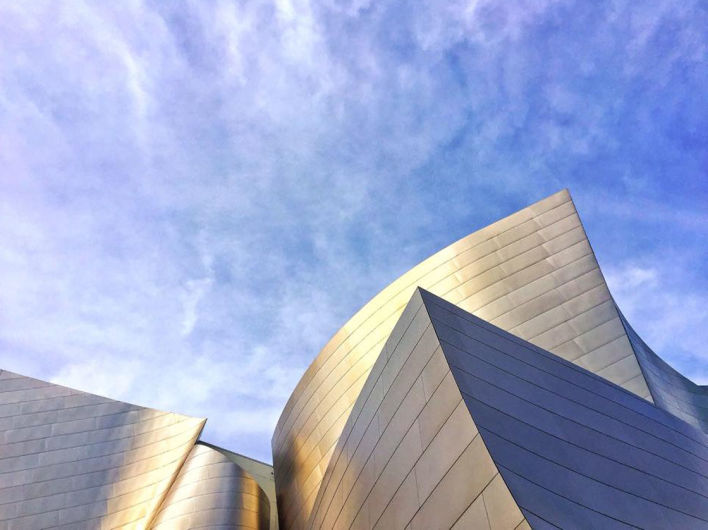
Lines: Lines are one of the most powerful design elements that can be used in architecture. Lines are everywhere around us, especially in buildings. There are so many ways to use lines in your compositions that you will never run out of ways to create incredible buildings.
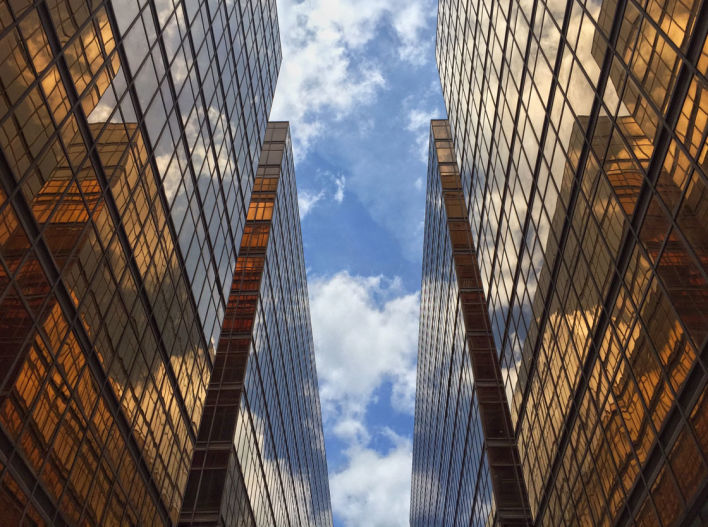
Curves & Spirals: Whiles using straight lines in a composition, keep your eyes out for curves and spirals. These types of line create beautiful and elegant images. Spiral staircases are the perfect subject for this kind of shot. Their sweeping curves draw your eye gently down to the bottom of the scene, creating a wonderful sense of depth. Including a person in the scene will add a focal point and sense of scale to the image, as well as an interesting storytelling element.
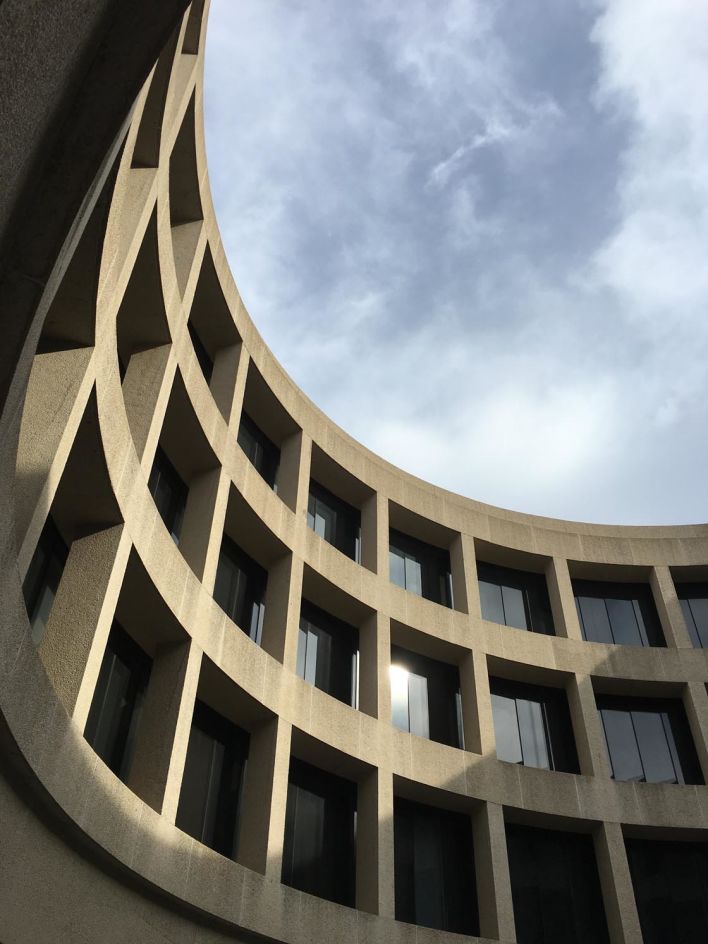
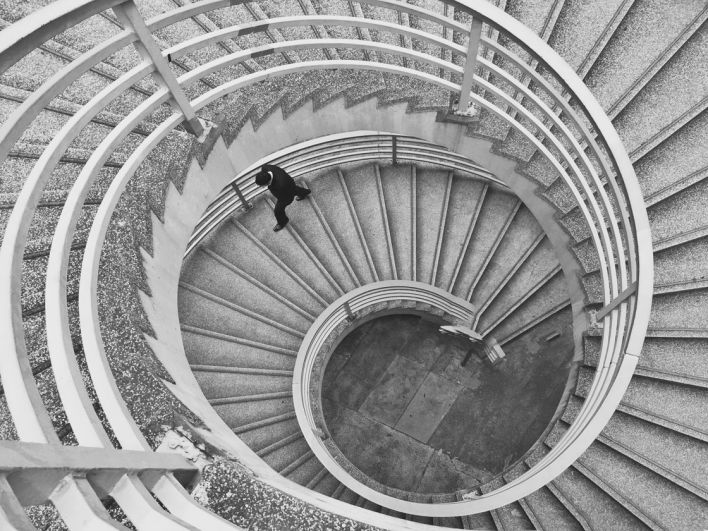
Angles: Architecture is full of interesting angles and corners that can be used as powerful design elements in your compositions.

Symmetry: Symmetry creates a strong element of graphic design in a photo. Buildings and other architectural structures such as bridges and pylons are often designed and built to be symmetrical.
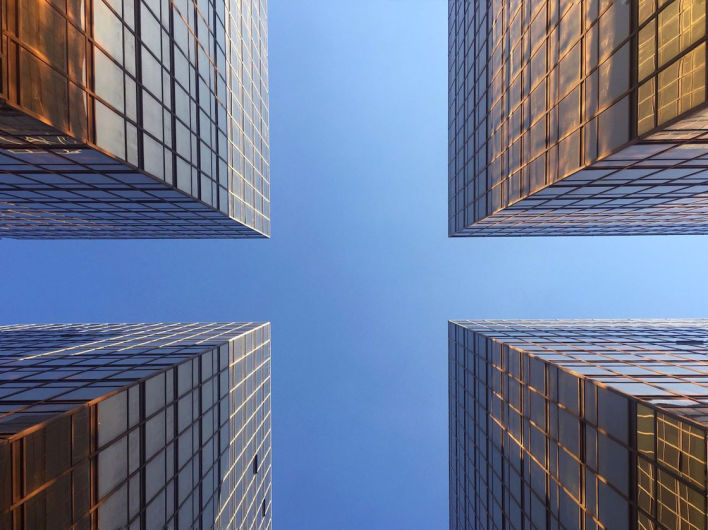
Color: While many architecture compositions look great in black and white, you should definitely think about using color to make it stand out, especially in Interiors. Oranges and yellows work particularly well with blue, another great technique is to fill the frame with a colorful element of the building, such as these stunning turquoise floor tiles. By filling the entire frame with a particular color, you’re drawing the viewer’s attention to the color itself. It’s a great way of telling the viewer/ user that it’s the color that found most compelling about this view/ frame.
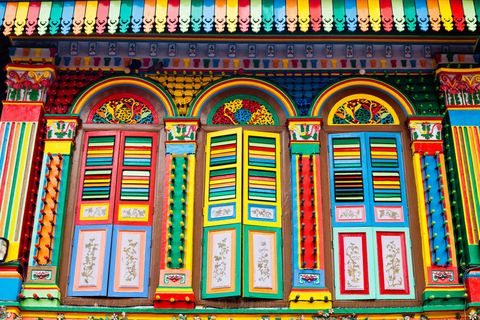
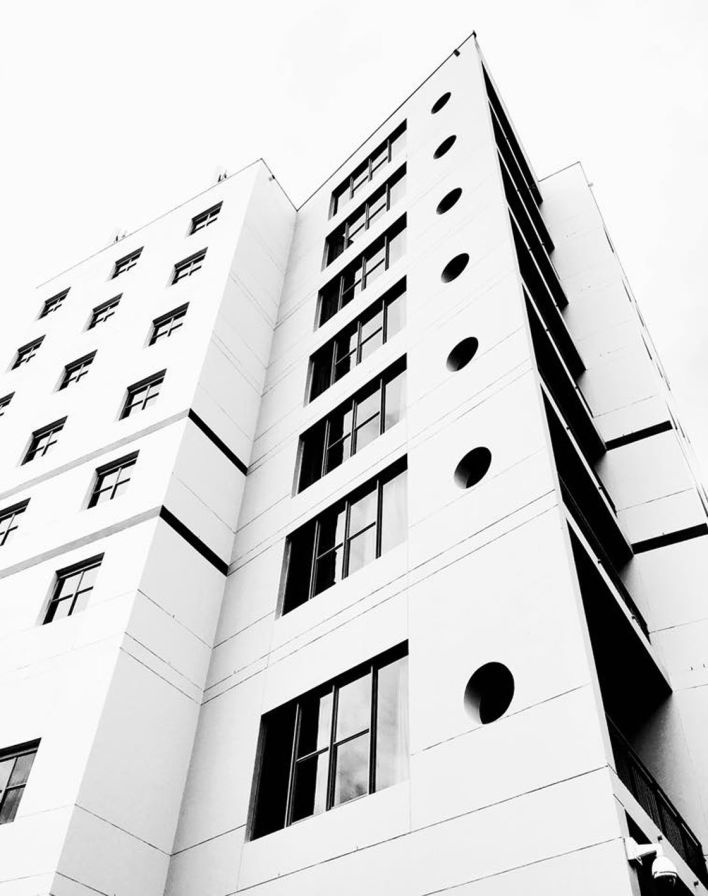
Contrast: Contrast refers to the difference in brightness between the dark and light areas of the building. Contrast is an excellent way of grabbing the viewer’s attention. We are naturally drawn towards areas of high contrast, so emphasizing this in your building helps to create more interesting shots that will hold the eye of the viewer.
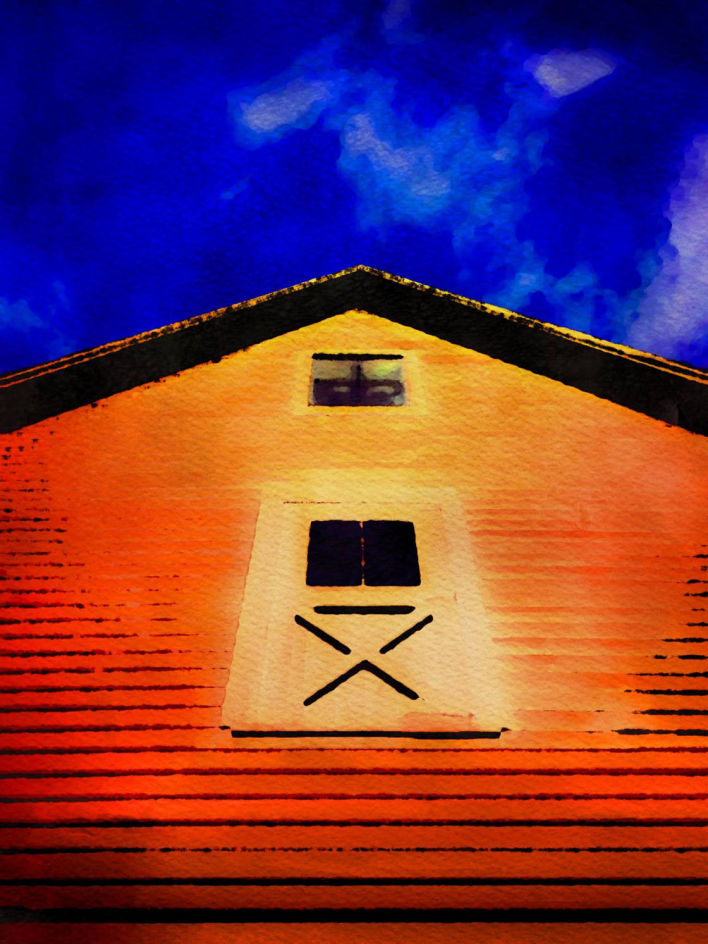
Patterns: Patterns and repetition are all around us, and it’s especially prominent in buildings and architecture. Buildings are great places to find repeating patterns such as brick walls, roof tiles, rows of windows, stacks of balconies, etc. Patterns will often look quite different depending on where you view them from.

Texture: Textures makes a building more tactile and engaging, inviting the viewer to reach out and interact with the surroundings. They bring out different feelings depending on whether the texture is rough, smooth, shiny, etc. You can use texture in your building to emphasize a certain mood or atmosphere. For example, the rough texture of the wood in the old building above creates a completely different mood to the smooth shiny exterior of a modern building.
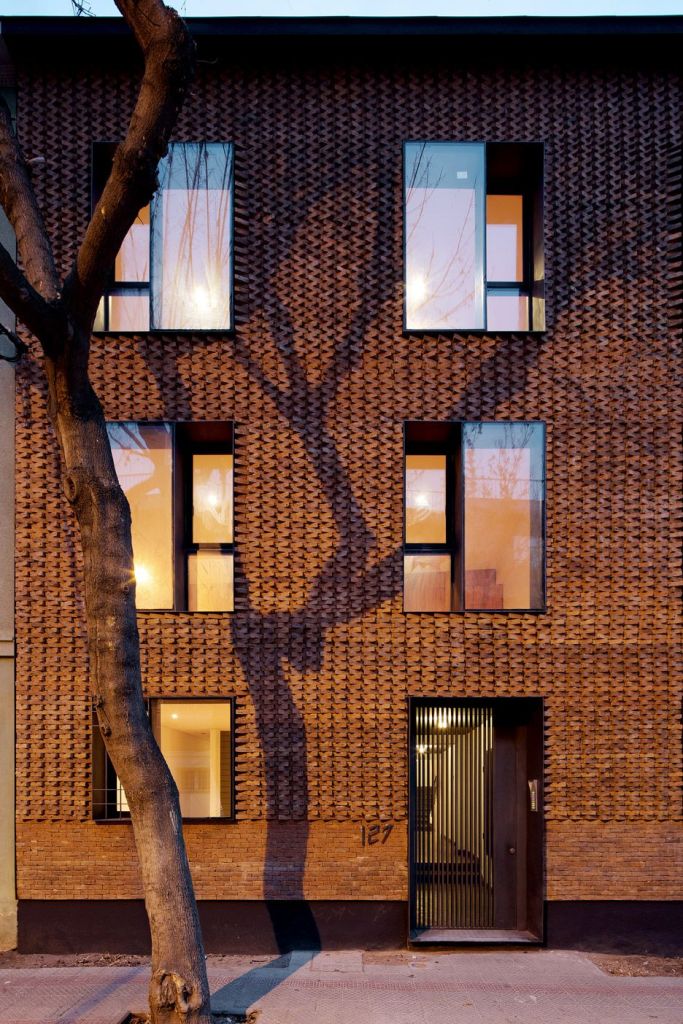
Empty Space: Simplicity is the key to creating well-designed compositions. The fewer distractions you have in architecture, the better the subject will stand out. Curiosity is always desirable in architecture, so if your building leaves the viewer wanting to know more about the building you have designed, this is a good thing.
 FREE REIN
I really love the way you write
LikeLike